



Preparing Your Website for the Future
As we move towards 2026, small business websites need to evolve to stay competitive and effective. The digital landscape is rapidly changing, and it’s crucial to incorporate new features and best practices. In this guide, we’ll explore essential elements to future-proof your website.
Speed and Performance
In a world where users demand instant gratification, speed is paramount. Websites that load slowly may lose potential customers. According to Google, a site should load within three seconds or less. Using a framework like Astro can significantly improve your site’s performance, ensuring it meets Core Web Vitals.

Accessibility and Inclusivity
Ensuring your website is accessible to all users, including those with disabilities, is not just a legal requirement but also broadens your audience. Implementing features like keyboard navigation, alternative text for images, and screen reader compatibility are essential steps. Accessibility should be a cornerstone of your web design strategy.
Mobile Responsiveness
With more users accessing websites via mobile devices, having a mobile-responsive design is non-negotiable. It’s crucial that your site automatically adjusts to different screen sizes, maintaining usability and aesthetic appeal across all devices.
Robust SEO Strategy
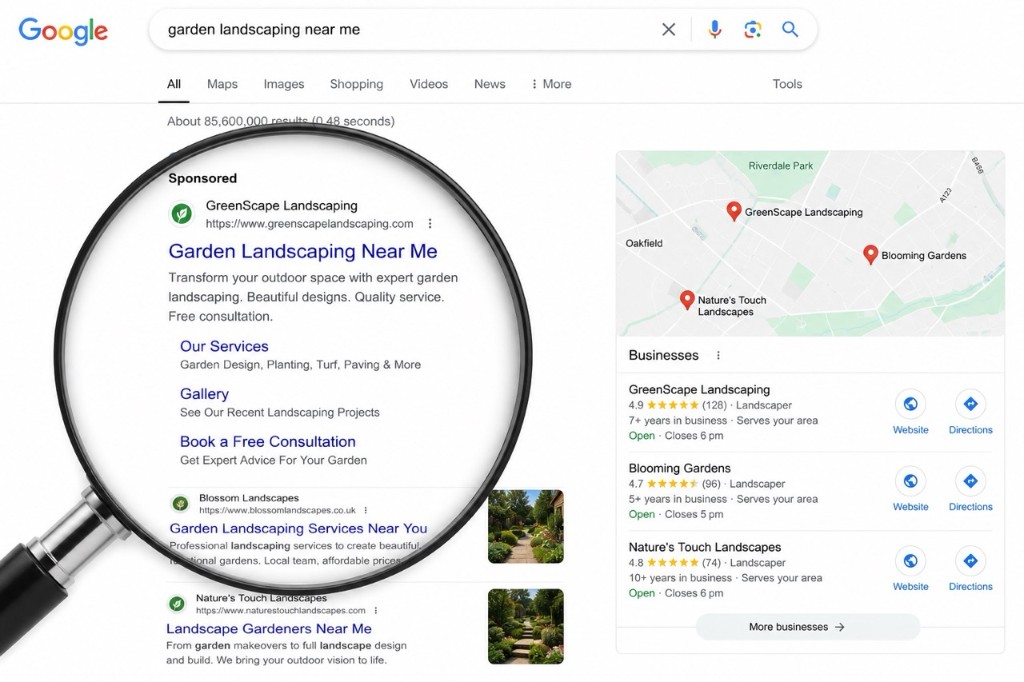
Search Engine Optimisation (SEO) remains vital in increasing visibility. A modern SEO strategy should include technical improvements, local SEO tactics, and the creation of valuable content. With AI playing an increasing role in search, being visible to AI-driven search engines like ChatGPT and Google AI is equally important.
For more detailed strategies, check out our SEO audit Leicester: what we check before we take you on.

User-Centric Design and Branding
Modern web design prioritises user experience (UX). User-centric design involves creating intuitive navigation, engaging visuals, and clear calls-to-action. Coupled with strong branding, these elements ensure that visitors have a memorable experience and are more likely to convert.
Embracing AI and Automation
AI isn’t just a buzzword; it’s practical for enhancing user experience and streamlining operations. From chatbots to predictive analytics, AI can provide personalised customer interactions and insights that drive business decisions. For a deeper dive into AI’s role, explore our article on AI apps for UK small businesses.
Security and Maintenance
In 2026, cyber security will be more crucial than ever. Regular updates, data encryption, and a reliable hosting provider are essential to protect your site and your users’ data. Consider investing in a maintenance package to keep your site secure and operational.
For more guidance, get in touch with dotwall to discuss how we can help future-proof your website.
Conclusion
Future-proofing your website involves several interconnected strategies, from enhancing speed and performance to embracing AI. By focusing on these key areas, your small business website will remain competitive and effective in 2026 and beyond. Implementing these strategies now will ensure your site is ready for the future digital landscape.