As the owner of dotwall Web Design here in Loughborough, Leicestershire, I’ve always placed huge importance on building trust with potential clients through genuine online reviews. For years, Google Reviews were my go-to platform – they helped showcase the quality of our bespoke Elementor-built websites and SEO services to local businesses searching for web design in Leicestershire and beyond. But over the last couple of years, frustrating inconsistencies with Google pushed me to make a significant change: prioritising Trustpilot as our primary review platform.
In this post, I’ll share my personal experience, break down the pros and cons of both platforms, explain why I made the switch, and offer some practical advice if you’re considering something similar for your own business.
My Frustrating Experience with Google Reviews
It all started about 18 months ago. I had several delighted clients leave glowing 5-star reviews on our Google Business Profile – complete with detailed feedback about how our custom homepages and full website builds had transformed their online presence. Yet, for reasons known only to Google’s algorithms, four of these reviews simply never appeared publicly.
I reached out to Google support multiple times, providing screenshots and details, only to receive generic, automated responses with no real explanation or resolution. This lack of transparency and poor customer support is a common complaint among business owners – Google’s filtering system is opaque, and reviews can vanish if flagged as suspicious (even legitimate ones), due to sudden influxes, or simply because of policy violations that aren’t clearly communicated.
As a small agency relying on local visibility, this was incredibly disheartening. Our profile had built up over 100 five-star Google reviews, giving us strong rankings in Google Maps searches within a 20-30 mile radius of Loughborough. Losing even a handful undermined that hard-earned credibility.
Why I Initially Loved Google Reviews
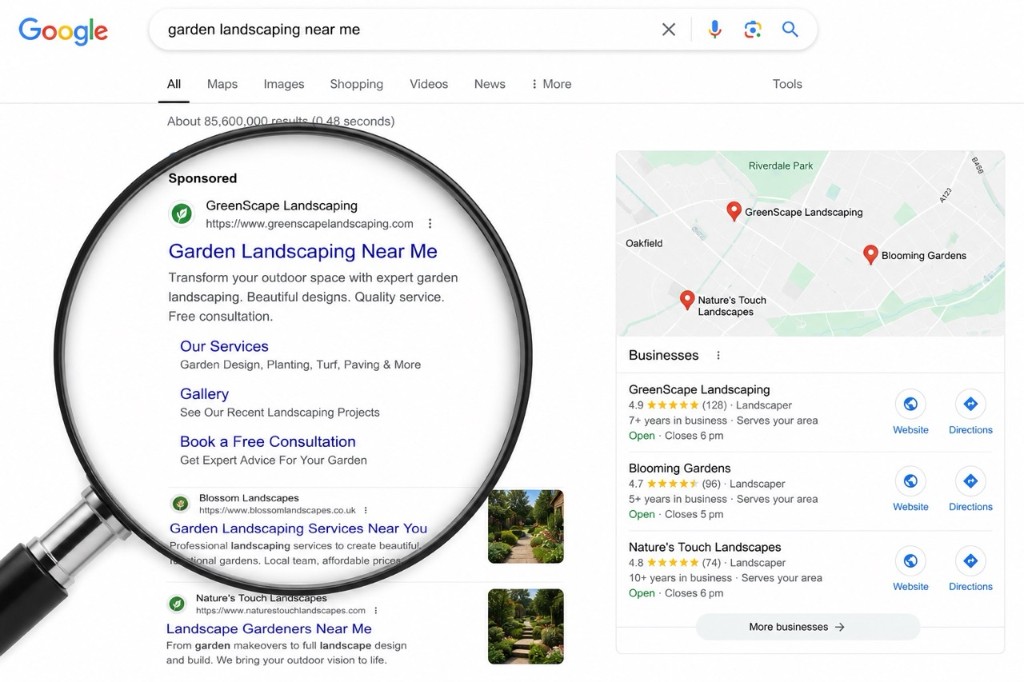
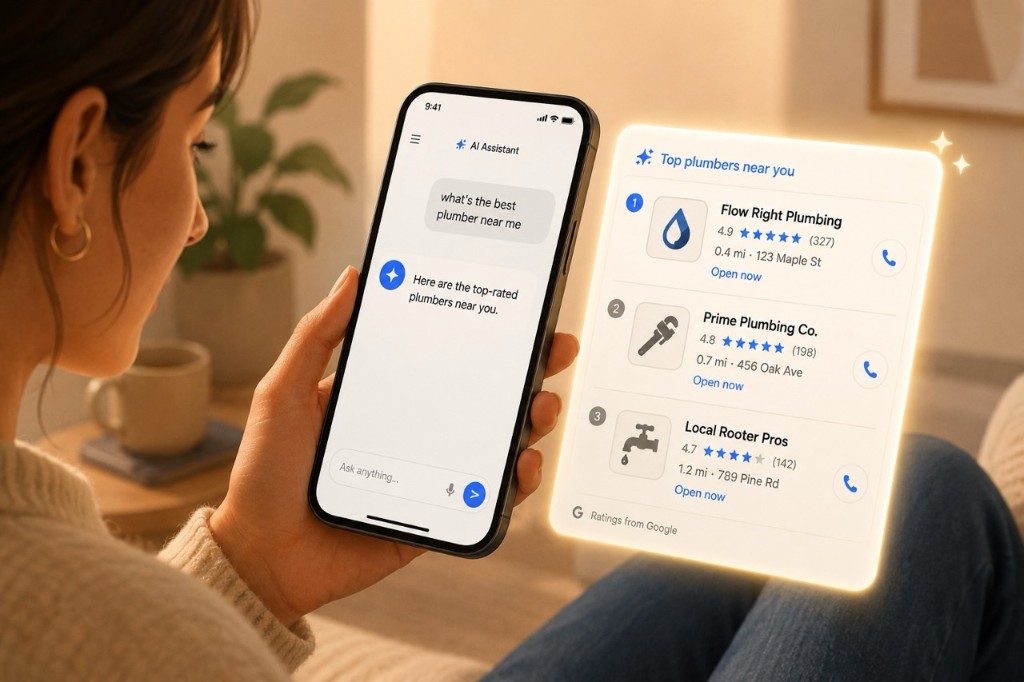
There’s no denying Google’s dominance in local search. For service-based businesses like mine – web design agencies serving Leicestershire, the East Midlands, and increasingly clients UK-wide – Google Reviews are incredibly powerful:
- They appear directly in search results and Google Maps.
- A high volume of positive reviews boosts local SEO rankings.
- Stars show up in ads and the knowledge panel, influencing click-through rates.
At our peak, those reviews helped us stand out against competitors and attract enquiries from businesses searching for “web design Loughborough” or “website designer Leicester“.

Discovering Trustpilot: A More Reliable Alternative
After one too many vanished reviews, I started exploring alternatives. Trustpilot stood out as a dedicated, independent review platform with strong moderation and transparency. We’ve now built up dozens of five-star reviews there, and not a single one has mysteriously disappeared.
Trustpilot’s system invites verified reviewers (often via automated emails after a project), ensuring authenticity while making it harder for fake feedback to slip through. Their support team is responsive, and businesses can report suspicious reviews for investigation.
Pros and Cons: Google Reviews vs Trustpilot
| Google Reviews | Trustpilot | |
|---|---|---|
| Pros |
|
|
| Cons |
|
|
To help you decide what’s best for your business, here’s a balanced comparison based on my experience and recent industry insights.
My Plan Moving Forward
I’m not abandoning Google entirely – those local SEO benefits are still valuable. Instead, I’m adopting a hybrid approach:
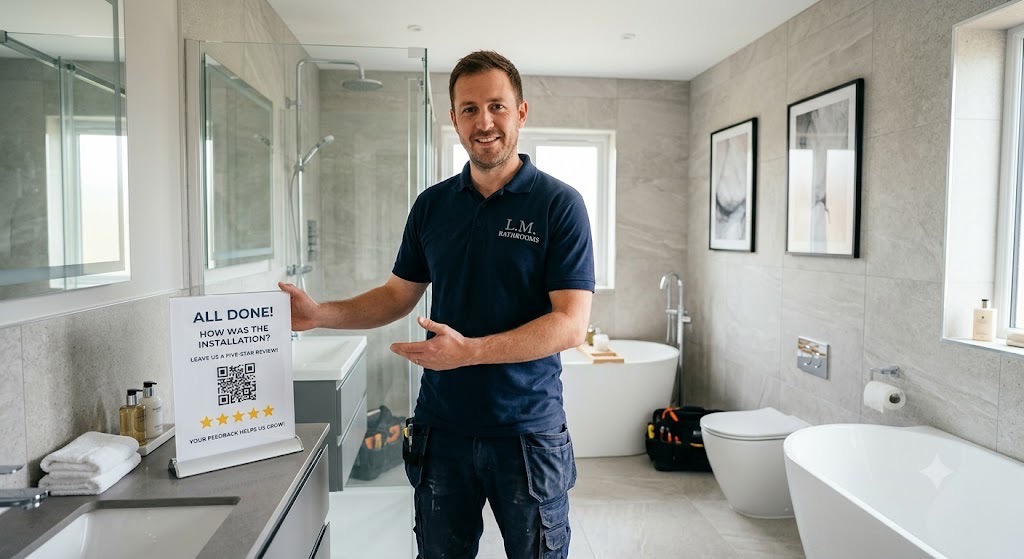
- Politely ask new clients to review on Trustpilot first (explaining it ensures their feedback is seen and helps us improve).
- Encourage Google reviews secondarily for local boost.


- This way, we maximise reliability while retaining Google’s local advantages.
Should You Make the Switch?
It depends on your business:
- Purely local (e.g., shops, tradespeople): Stick primarily with Google – the Maps visibility is unmatched.
- National/online/service-based (like web design agencies): Consider prioritising Trustpilot for consistency and wider reach.
- E-commerce or global: Trustpilot’s integration with Google Seller Ratings makes it particularly strong.
Whichever you choose, focus on delivering exceptional service – genuine reviews will follow.